Compartments Cleaned Without Pressure Damage
Engine Bay Detail in Caledonia for vehicles with dust, oil buildup, and hard-to-reach grime
High-humidity conditions in the Mississippi River corridor accelerate dust accumulation and oil buildup on belts, hoses, and valve covers, creating a thick layer of grime that routine washing doesn't address. Midwest Shine Mobile Detailing LLC deep-cleans engine compartments using safe degreasing methods and compressed air rather than high-pressure washing, which protects electronics, sensors, and hoses from water intrusion damage. The service is offered as an add-on to full detailing and requires careful technique, especially on specialty vehicles like Corvettes and new trucks where engine bay presentation matters.
The process involves applying degreaser to belts, hoses, and metal surfaces, allowing it to break down oil and residue, then using compressed air to remove loose debris without forcing water into sensitive components. Electronics and exposed connections are shielded or avoided entirely to prevent shorts or corrosion.
Request an engine bay detailing add-on during your next full detail to restore compartment appearance without risking component damage..
Why Engine Bay Cleaning Works for Older and Specialty Vehicles
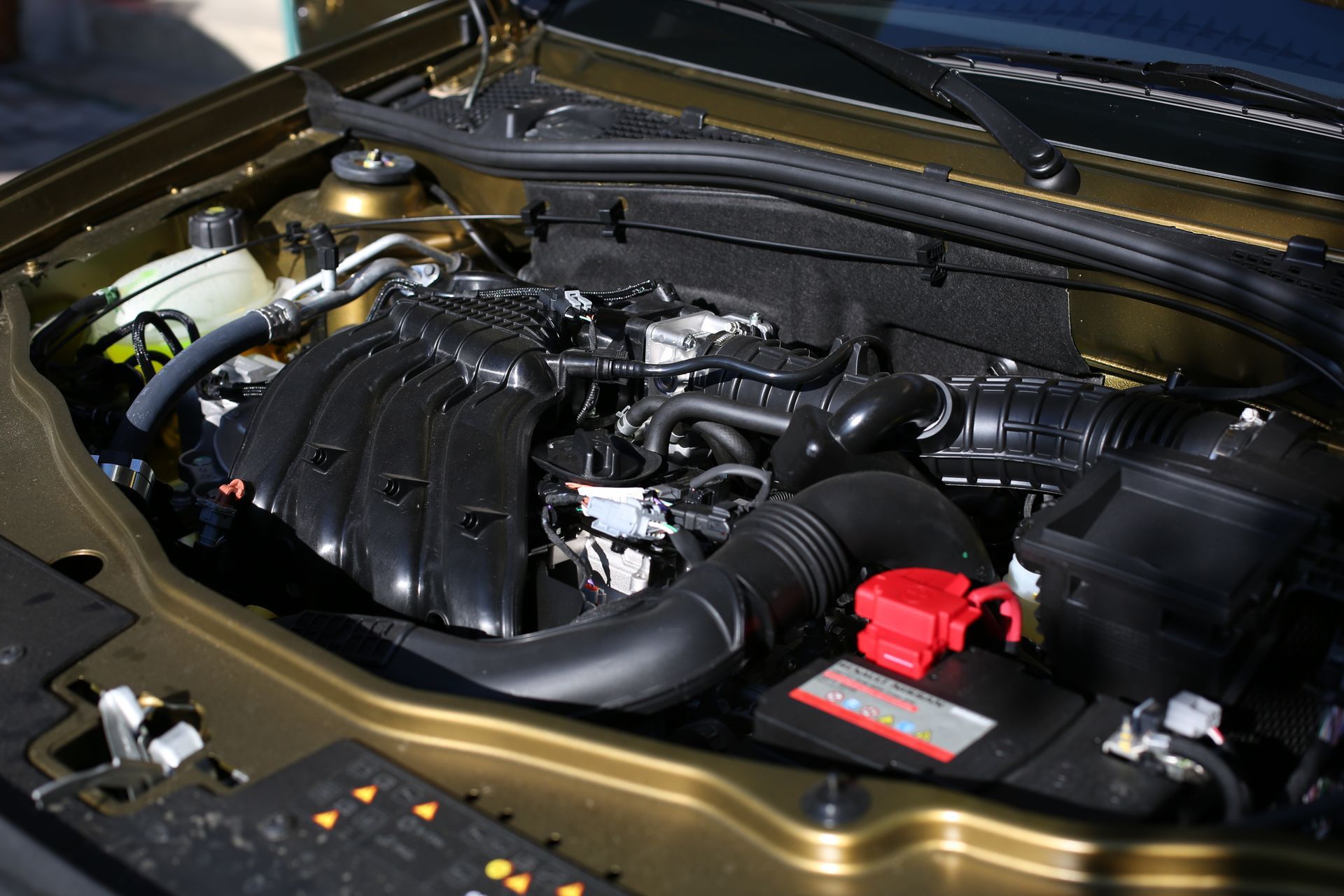
Engine compartments on older vehicles and performance cars often contain exposed wiring, aftermarket components, and aging seals that can't tolerate the water volume or pressure used in automated wash bays. Manual degreasing paired with low-pressure air removes buildup without introducing moisture where it doesn't belong, which is why this method is preferred for high-value or mechanically sensitive vehicles.
Once cleaned, you'll see metal and plastic surfaces that reflect light rather than appearing coated in grime, hoses and belts that are clearly identifiable by color, and a compartment that's easier to inspect for leaks or wear. Clean engine bays also make routine maintenance tasks like checking fluid levels or replacing filters less messy and more straightforward.
This service does not include mechanical inspection or repair; it focuses solely on cosmetic restoration and debris removal. If leaks or fluid contamination are present, those should be addressed by a mechanic before detailing to prevent immediate re-soiling..
Answers to Frequent Service Questions
Engine bay detailing raises concerns about safety, effectiveness, and compatibility with different vehicle types, so clarifying the approach helps owners make informed decisions.
What's the risk of water damage during engine cleaning?
Compressed air and controlled degreaser application eliminate the high-pressure water spray that typically causes shorts in alternators, fuse boxes, and sensor connections, reducing risk significantly compared to automated methods.
How does humidity in Caledonia affect engine bay buildup?
Moisture in the air causes dust to stick to oil residue and form a thick, persistent layer that accelerates corrosion on metal components and makes regular inspection harder.
Can engine bay detailing remove oil stains from leaks?
Degreasing removes surface staining from past leaks, but active leaks will re-soil the area quickly and should be repaired before scheduling cosmetic cleaning.
Is engine detailing safe for new trucks with complex electronics?
Yes, the process avoids direct contact with electronic modules and uses air rather than water pressure, making it safe for modern vehicles with extensive sensor arrays.
How long does a clean engine bay stay clean?
Compartments typically stay visibly clean for six to twelve months depending on driving conditions, climate exposure, and whether any oil or coolant leaks develop.
Midwest Shine Mobile Detailing LLC handles engine bay detailing across Caledonia and New Albin, with experience on specialty vehicles that require extra care. Schedule an add-on engine detail to restore compartment appearance without introducing water-related risks.