Boat Surfaces Built to Last Years
Gelcoat Restoration in Caledonia for oxidized and faded watercraft surfaces
Midwest Shine Mobile Detailing LLC restores oxidized gelcoat on boats and watercraft throughout the Mississippi River corridor area, addressing the damage caused by constant UV exposure and water contact. Recreational boating activity near the waterway means gelcoat surfaces deteriorate faster here than in areas with less direct sunlight and moisture. When the glossy finish turns chalky and color fades to white patches, the underlying fiberglass becomes vulnerable to water intrusion and structural weakening.
The restoration process begins with a gelcoat oxidation assessment to determine how deeply UV radiation and moisture have penetrated the surface layers. Surface preparation removes the damaged outer layer through controlled abrasion, exposing stable gelcoat underneath. A restoration compound is then applied to rebuild surface integrity, followed by a protective sealant or coating finish engineered specifically for long-term water and UV protection.
Schedule a gelcoat assessment to evaluate current surface condition and determine the appropriate restoration approach for your watercraft..
What Proper Gelcoat Restoration Requires
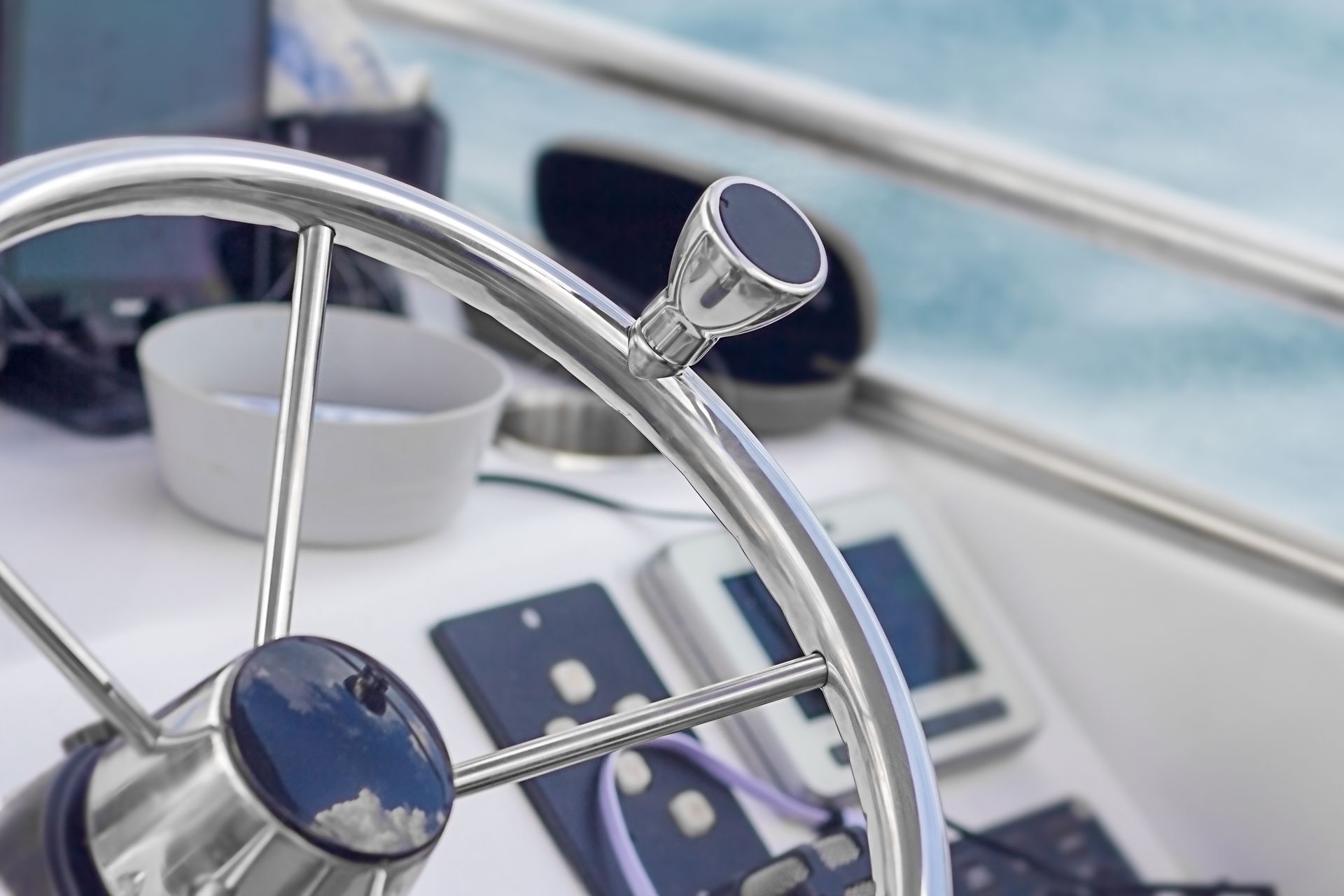
Oxidation appears first as a dull, chalky texture where the gelcoat once felt smooth and looked glossy. As UV breaks down the resin binders in gelcoat, the surface loses its ability to repel water, allowing moisture to penetrate deeper into the fiberglass laminate below. Proper restoration removes only the degraded layer while preserving the structural gelcoat beneath, then seals the refreshed surface against future environmental exposure.
After restoration, the gelcoat returns to its original color depth and the surface feels glass-smooth again under your hand. Water beads off instead of soaking into microscopic pores, and the finish reflects light uniformly without the mottled, washed-out appearance oxidation creates. The protective coating applied at the end of the process extends the interval before oxidation reappears, especially important for boats stored outdoors or launched frequently in the Mississippi River corridor where sun and humidity accelerate degradation.
Restoration work is priced based on the extent of oxidation damage and total square footage of gelcoat surfaces being treated. Boats with severe oxidation require more aggressive surface preparation, while lightly oxidized surfaces need only moderate compounding before sealing. The protective coating options vary in durability and reapplication frequency, with ceramic-based products offering longer intervals between maintenance compared to traditional polymer sealants..
Questions Watercraft Owners Typically Ask
The restoration process involves questions about surface condition, protection options, and how local conditions affect long-term gelcoat durability.
How do you determine if gelcoat can be restored or needs replacement?
Surface preparation reveals whether enough gelcoat thickness remains after removing the oxidized layer, typically requiring at least several mils of stable material beneath the damaged surface.
What causes gelcoat to oxidize faster on the Mississippi River compared to inland storage?
The combination of direct UV reflection off water surfaces and high humidity levels in the river corridor accelerates the breakdown of resin binders that hold pigment and protect the underlying fiberglass.
How long does the protective coating last after restoration?
Sealant-based protection typically requires reapplication every three to six months, while ceramic coatings extend protection intervals to one or two years depending on storage conditions and launch frequency.
What happens if oxidation is left untreated?
The gelcoat continues thinning until water reaches the fiberglass laminate, where it can cause delamination, blistering, and structural weakness that requires far more expensive repair than surface restoration.
Can restoration be performed on-site at boat launches or marinas in Caledonia?
Mobile service reaches watercraft storage locations throughout the area, though severe oxidation cases benefit from controlled environments where temperature and humidity remain stable during multi-step restoration processes.
Midwest Shine Mobile Detailing LLC works with watercraft owners across the Mississippi River corridor to reverse oxidation damage before it compromises structural integrity. Request a surface evaluation to review your boat's current gelcoat condition and available protection options.